

Change is underway in Britain’s digital gaming scene. The focus is turning from sheer spectacle to considered design and mechanics that keep the player first. This transformation aligns well with the core ideas underpinning the Topo Mole Game, which celebrates clear rules, strategic thinking, and a challenge anyone can learn. Its approach resonates with more UK gamers who want something valuable from their playtime, not just a quick distraction. It’s forming a community that appreciates the elegance of simple rules and the genuine satisfaction of improving at a well-made game.
The Fundamental Principles of the Topo Mole Game Philosophy
The Topo Mole Game philosophy rests on three main ideas. First, it uses intuitive mechanics anyone can learn quickly, removing pointless complexity that only gets in the way. Second, it encourages strategic thinking and planning ahead, not just fast clicking. Third, it offers a challenge curve that feels balanced and equitable, giving players a real sense of progress and achievement. This framework builds a specific kind of experience built on mental agility and spotting patterns, not just quick reflexes or flashy graphics.
Simplicity Over Disorder
While many games flood you with busy screens, Topo Mole Game selects visual and mechanical clarity. Everything you see on screen has a job to do, and the rules are clear from the very first click. This design minimizes frustration and lets the central strategic puzzle excel. UK gamers, who have a long history with both classic and new puzzle genres, find this clarity a welcome change. It values their time and intelligence with respect.
Profundity in Simplicity
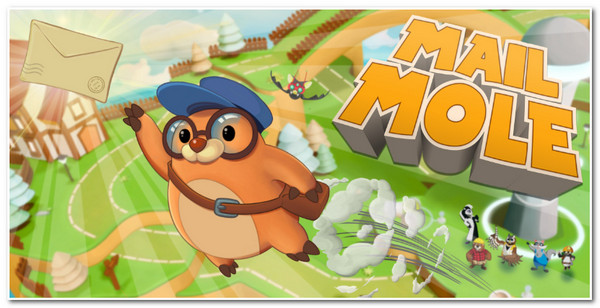
The magic of the game is how it builds serious strategic depth from a concept that seems simple. The basic move, hitting the mole when it pops up, is straightforward. But to master the game, you need to grasp timing, odds, and how to adapt your tactics. That “easy to learn, difficult to master” idea has deep roots in gaming history. Topo Mole Game achieves it, offering near-endless replay value inside a clean, understandable structure.
Shared community and Collaborative Strategy
This game’s design motivates players to collaborate. Because victory relies on ability and clever strategies, not secret advantages, people are inclined to exchange tips, analyse patterns, and pick up knowledge from peers. Online forums and social media groups, including many based in the UK, are brimming with conversations about the best timing of clicks, how to forecast the mole’s moves, and approaches for leading the leaderboards. This environment of information sharing enriches the game’s intellectual appeal and builds a loyal, vibrant player base.
Psychological Appeal: Why the Game Connects
The mental allure of Topo Mole Game is extensive, but it especially connects with players wanting a mental workout. The game operates on a gratifying pattern of waiting, reacting, and being rewarded, which engages positive feedback in the brain. It also trains your pattern-recognition skills, giving you a real impression of mental sharpness. For many in the UK, this makes the game a solid option over more passive entertainment. Playtime becomes something that seems both fun and quietly good for your focus and reaction speed.
The Satisfaction of Measured Progress
This is not a game about random luck or mindless repetition. Your progress in Topo Mole Game ties directly to your growing ability. A new high score or a cleared level functions as a tangible sign of your better strategic grasp and quicker thinking. That creates a strong inner drive, driving you to outdo your own personal best. The clear line between practice and result is a key reason the game keeps people coming back.
Conformity to Modern UK Gaming Trends
Market observers see a clear trend among UK players: they desire rewarding gaming experiences that fit into shorter, fuller schedules. The round-based format of Topo Mole Game addresses this demand head-on, providing a full sequence of difficulty and reward in just a few moments. Also, Britain’s vibrant indie game scene has developed an audience that values clever design more than huge resources. This is the perfect ground for a philosophy-driven title like Topo Mole to grow, where the main draw is a smart, original system.
Inclusivity and Extensive Player Access
A key strength of this method is its inherent accessibility. The interactions are simple and the goals are well-defined, so the game isn’t fenced off by demographic, gaming background, or needing the most recent hardware. It performs smoothly on all devices from aging PCs to current tablets, meaning a wide audience can participate. This opens up the experience, enabling groups, light users, and dedicated puzzle enthusiasts find something in common. The accessible entry level is a big part of its appeal across diverse audiences in the UK.
Beyond Entertainment: Brain Benefits
Enjoyment is the main goal, but the structured challenge of Topo Mole Game provides some further brain advantages that attract health-aware players. Playing regularly can help hone your response time, improve hand-eye coordination, and train your concentration and short-term memory. The game works like a gym session for your brain, training it to manage visual information faster and execute snap, correct choices. This additional worth stretches the game’s purpose further than just killing time.
A Practice Device for Focus
We deal with digital distractions every minute https://topomoledemo.com/. To excel in this game, you need to keep your attention locked in, which serves as a practical exercise in focus. Players must learn to ignore the noise and focus on the specific task and patterns in front of them. This practiced concentration can transfer positively into everyday work or study, making the game a valuable helper for mindfulness and mental control, all presented in a dynamic, engaging package.
The Evolution of Thoughtful Game Design
The UK’s interest in the Topo Mole Game approach signals a larger movement within gaming toward deliberate, sustainable design. It shows that players appreciate artistry and clever systems, providing a real option for developers who wish to prioritize mechanics over graphical fireworks. As this philosophy catches on, it paves the way for more games that respect the player’s smarts, deliver an honest challenge, and prove that deep engagement can spring from an elegantly simple idea.